Padel is a dynamic and fast paced racket sport that’s taking the world by storm. Combining the best elements of tennis and squash, it’s played in doubles on an enclosed glass court about a third the size of a tennis court. The smaller playing area and rebound friendly walls create long rallies, quick reactions, and endless excitement making padel easy to learn, highly addictive, and fun for everyone.
Padel’s popularity lies in its simplicity and social nature. You don’t need years of experience to enjoy a great match it’s easy to pick up, yet endlessly rewarding to master. The doubles format encourages teamwork and friendly competition, making every game a shared experience. Whether you’re new to racket sports or an experienced player looking for something fresh, padel offers the perfect balance of fun, challenge, and connection.
With new courts appearing across the country and global tournaments gaining attention, there’s never been a better time to experience padel. The sport is growing rapidly, and the community around it is thriving. Whether you’re playing for fitness, competition, or simply for fun, padel offers something for everyone.
Padel was first created in Mexico in 1969 by Enrique Corcuera, who transformed his walled garden into a unique sporting arena. The concept quickly caught on in Spain and Argentina, where it grew into a national passion. Today, padel is the fastest growing sport in Europe, with millions of players across Spain, Italy, Sweden, France, and the UK. Its rise is driven by the game’s accessibility, energy, and social appeal bringing people together both on and off the court.
Beyond the fun, padel is a fantastic workout. It improves agility, strength, coordination, and endurance all while being low-impact and easy on the joints. The constant movement and lively pace make it a natural stress reliever, while the social side of the game fosters a sense of belonging and community. It’s more than a sport it’s a lifestyle built around health, friendship, and enjoyment.
Beyond the fun, padel is a fantastic workout. It improves agility, strength, coordination, and endurance all while being low-impact and easy on the joints. The constant movement and lively pace make it a natural stress reliever, while the social side of the game fosters a sense of belonging and community. It’s more than a sport it’s a lifestyle built around health, friendship, and enjoyment.
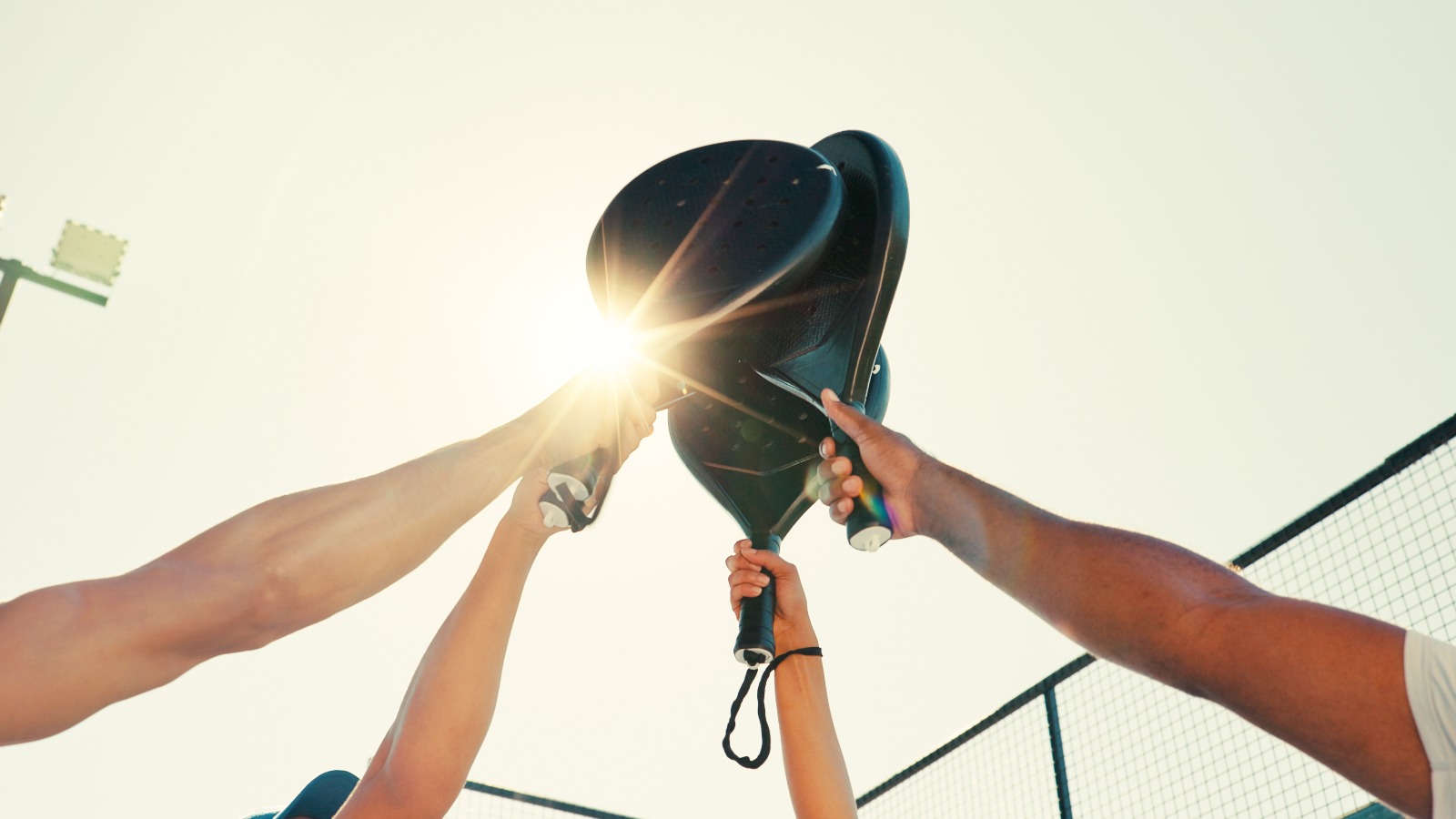
Mostly played 2v2 on an enclosed court. Walls are part of the game use them like in squash!
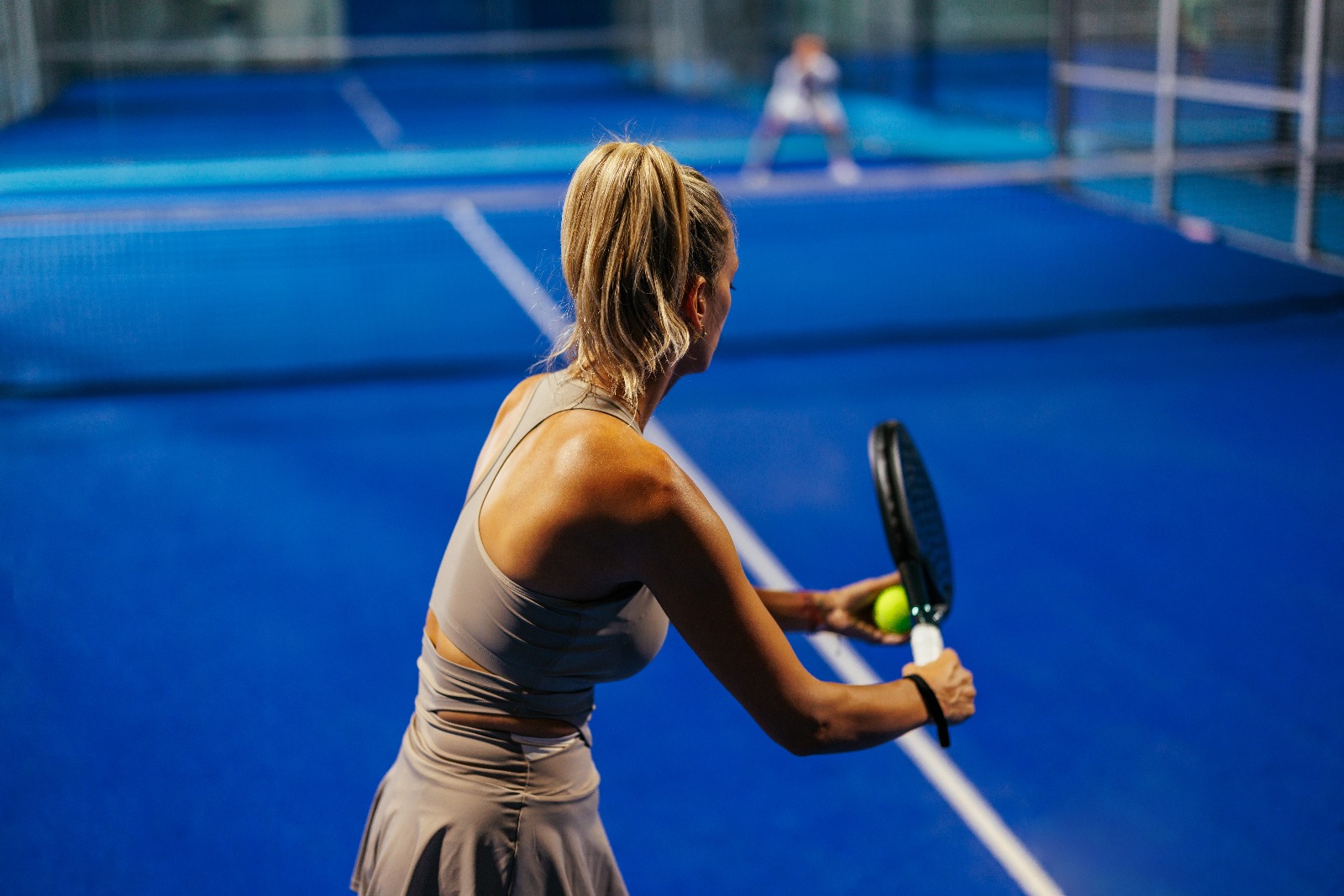
Underhand serve, below the waist. The ball must bounce once before you hit it. Serve diagonally into the opposite box. Two chances per serve.
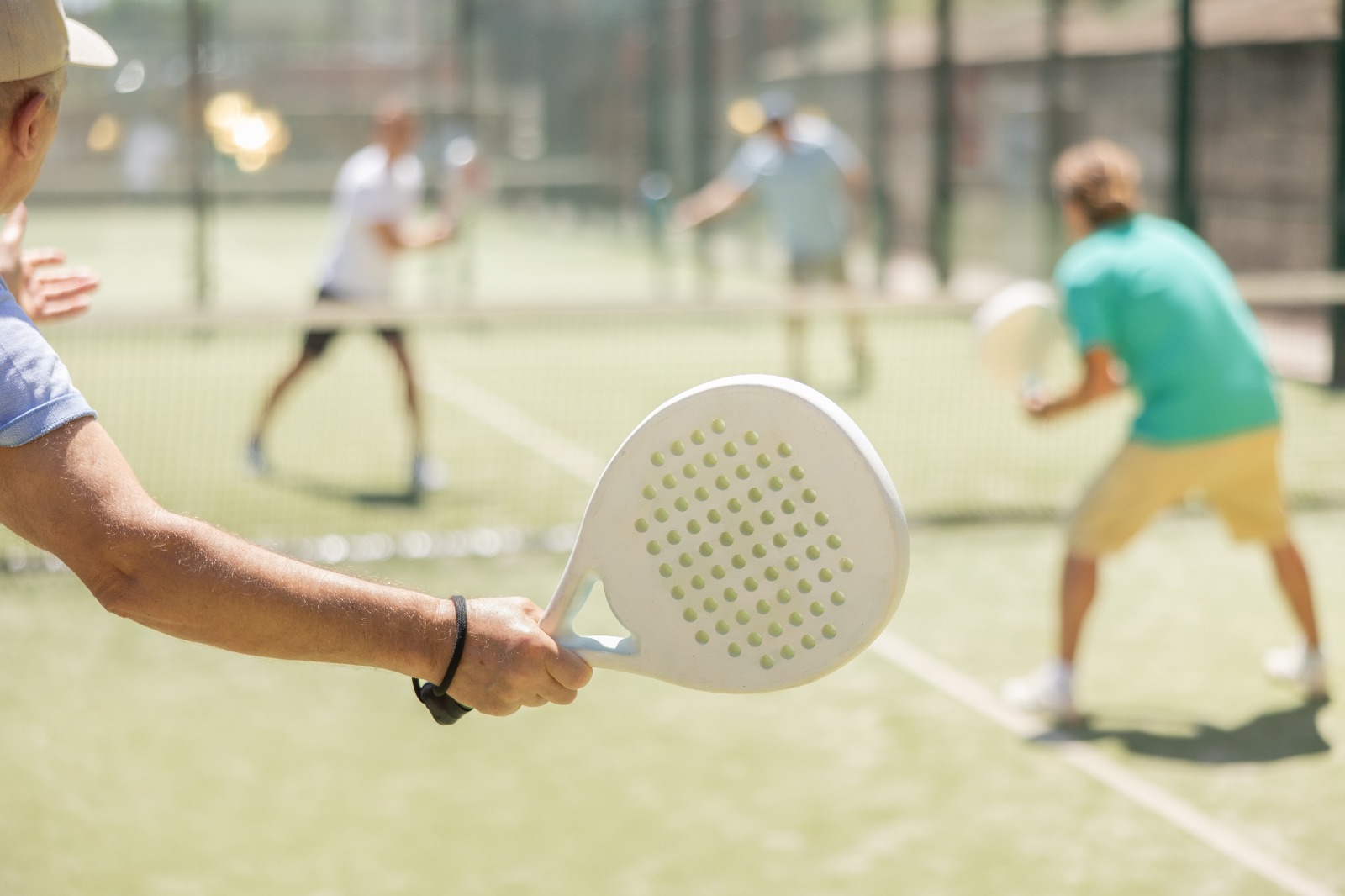
The ball must bounce once before hitting any wall. You can hit the ball after it bounces off your glass wall. The ball is out if it hits the metal fence or wall before bouncing.
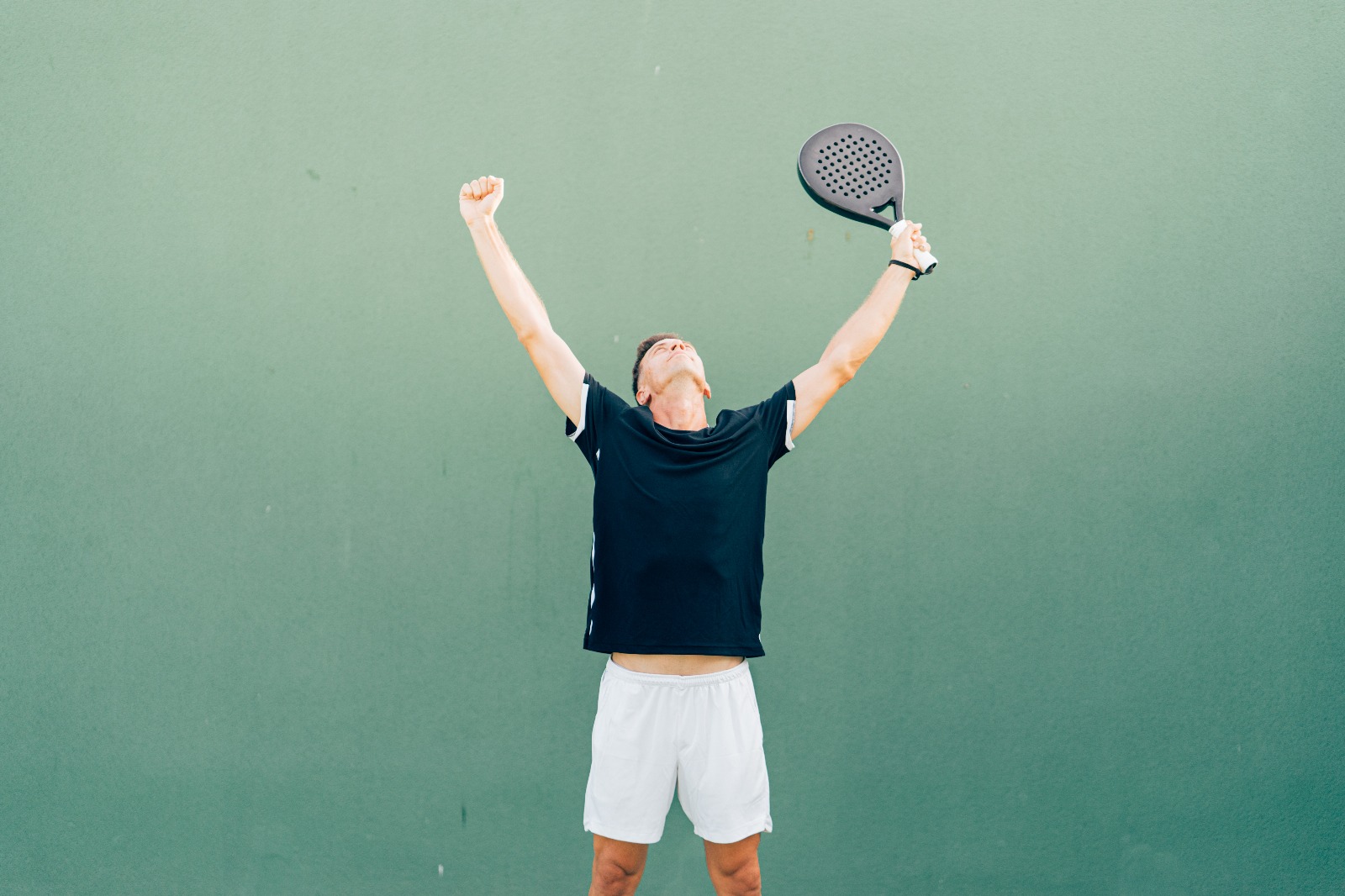
Same as tennis: 15/30/40 Game. First to 6 games wins the set (must lead by 2). Best of 3 sets wins the match.
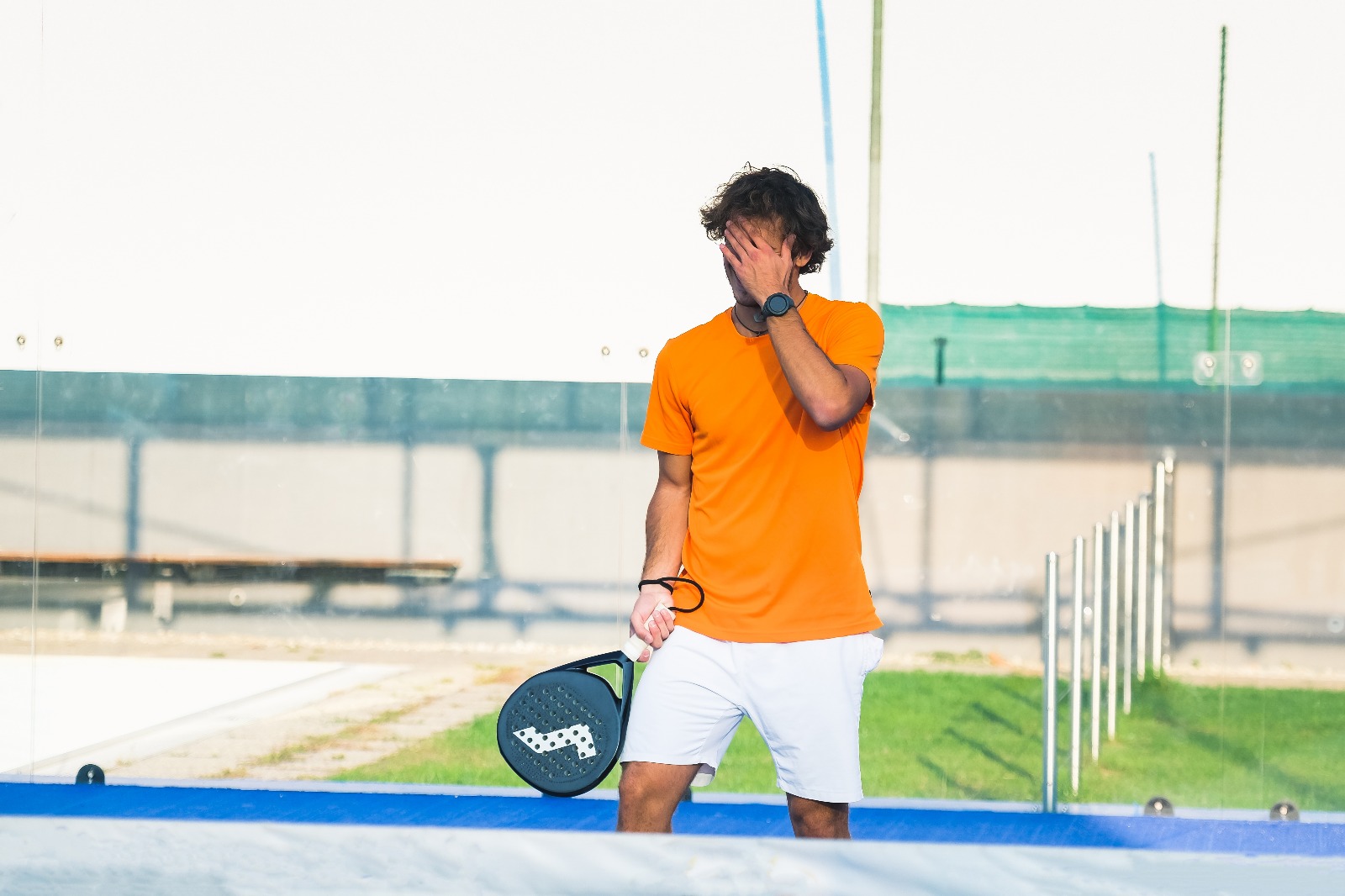
The ball bounces twice before you hit it. You hit the ball into the net or out of bounds. You hit the ball into your own wall before it crosses the net.
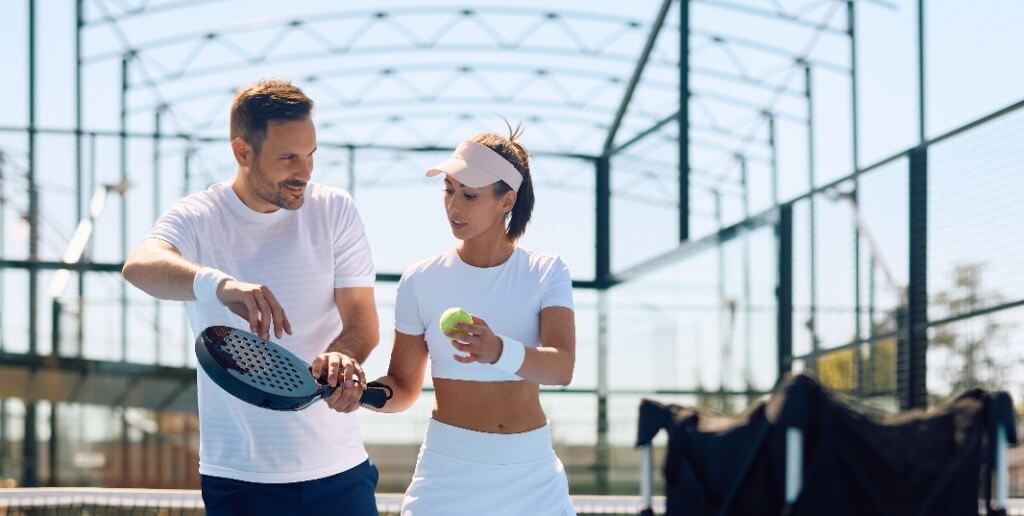
Footwork is key: Stay on your toes and be ready to move quickly. Padel is fast but smaller than tennis, so quick lateral movements are crucial.
Use the walls: Learn to hit the ball off your own walls strategically to set up points.
Keep it simple: Focus on consistent, controlled shots rather than power. Placement beats power in padel.
Communicate with your partner: Call shots, plan who takes lobs, and always stay aware of each other’s position.
Serve wisely: Underhand serves are about placement and spin, not power. Aim for the corners of the service box.
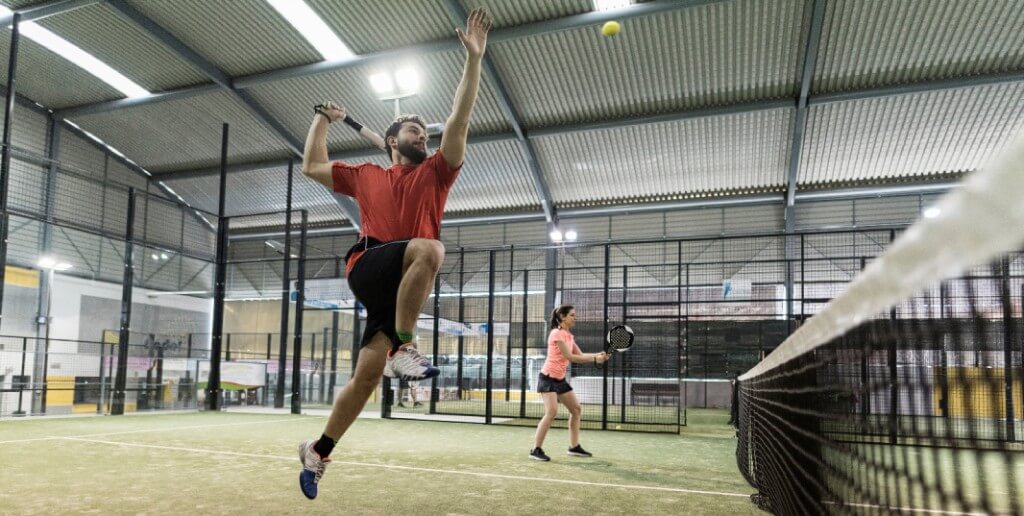
Forehand & Backhand: Hit with a firm but relaxed swing. Angle the racket slightly downward to keep the ball low.
Volley: Hit the ball before it bounces near the net. Focus on quick reaction and control rather than force.
Smash (Bandeja): Defensive overhead shot to control lobs, usually angled to stay in play but make it hard for opponents.
Lob: Use lobs to push opponents back. Hit high enough to clear the net and ideally bounce near the back wall.
Wall Shots: Practice using the walls strategically hitting the side or back walls to redirect the ball can set up easy points.
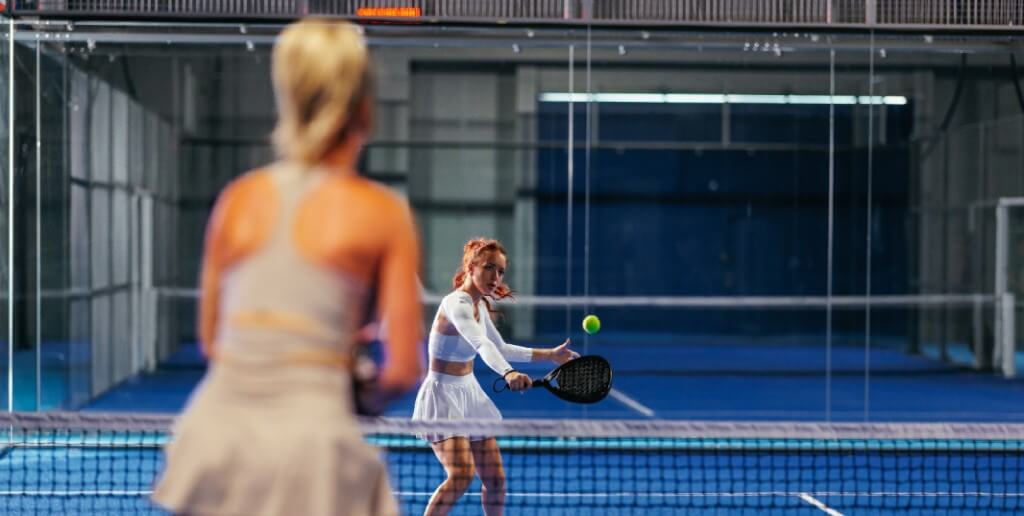
Cover your side: Players should cover their half of the court.
Net play advantage: Being at the net gives more control practice moving forward after a deep return.
Attack & defend: Keep your opponent moving, mix lobs with fast volleys, and don’t stay in predictable positions.
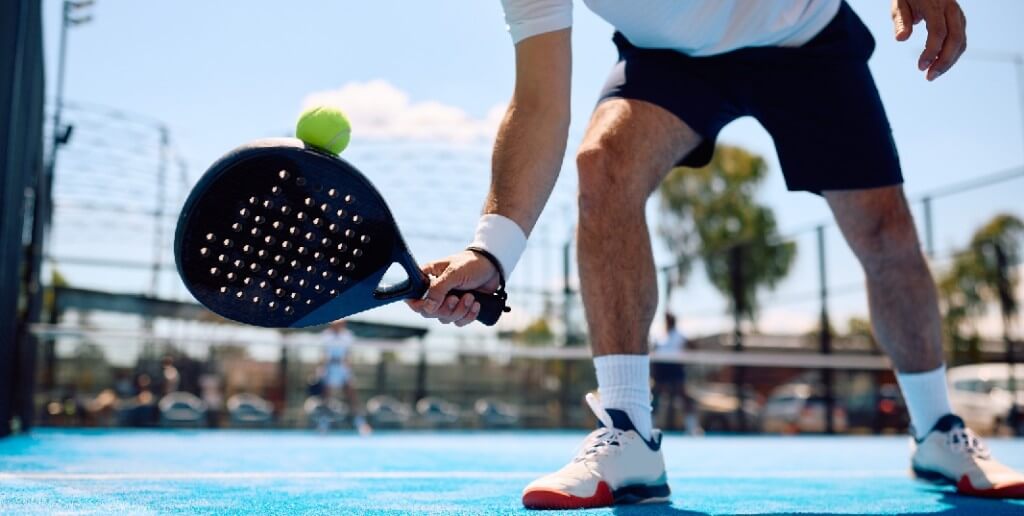
Wall Rally Drill: Hit the ball against the back wall repeatedly to improve control.
Volley Drill: Stand at the net and practice rapid exchanges with a partner.
Lob & Smash Drill: Partner hits lobs, you practice smashes and defensive bandejas.
Serve Accuracy Drill: Aim for the corners and keep track of consistency.
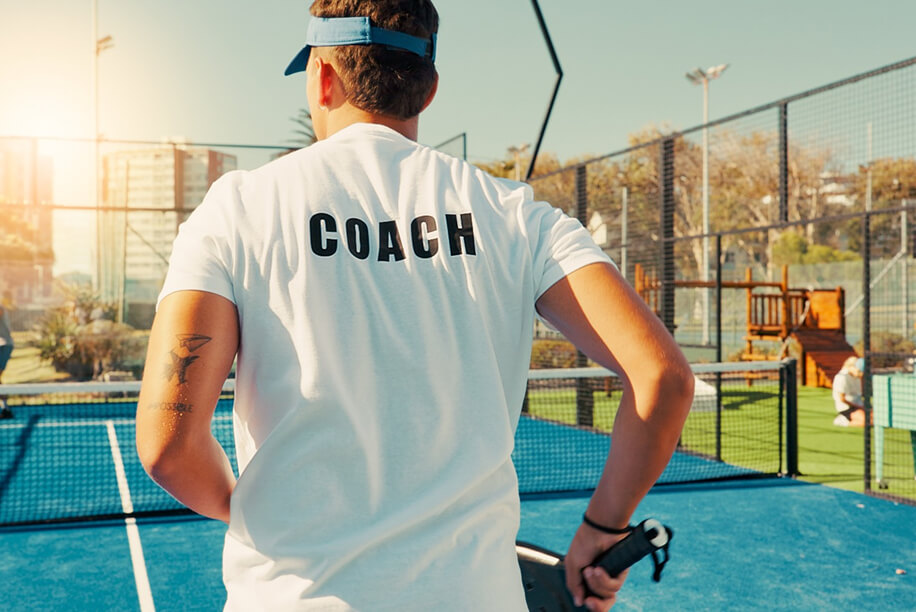
YouTube Channels: “Padel School,” “All Padel,” “Padel Addict” great for visual guides.
Apps: Padel coaching apps often include drills, videos, and tracking of progress.
Padel is a dynamic and fast paced racket sport that’s taking the world by storm. Combining the best elements of tennis and squash, it’s played in doubles on an enclosed glass court about a third the size of a tennis court. The smaller playing area and rebound friendly walls create long rallies, quick reactions, and endless excitement making padel easy to learn, highly addictive, and fun for everyone.
Padel’s popularity lies in its simplicity and social nature. You don’t need years of experience to enjoy a great match it’s easy to pick up, yet endlessly rewarding to master. The doubles format encourages teamwork and friendly competition, making every game a shared experience. Whether you’re new to racket sports or an experienced player looking for something fresh, padel offers the perfect balance of fun, challenge, and connection.
With new courts appearing across the country and global tournaments gaining attention, there’s never been a better time to experience padel. The sport is growing rapidly, and the community around it is thriving. Whether you’re playing for fitness, competition, or simply for fun, padel offers something for everyone.
Padel was first created in Mexico in 1969 by Enrique Corcuera, who transformed his walled garden into a unique sporting arena. The concept quickly caught on in Spain and Argentina, where it grew into a national passion. Today, padel is the fastest growing sport in Europe, with millions of players across Spain, Italy, Sweden, France, and the UK. Its rise is driven by the game’s accessibility, energy, and social appeal bringing people together both on and off the court.
Beyond the fun, padel is a fantastic workout. It improves agility, strength, coordination, and endurance all while being low-impact and easy on the joints. The constant movement and lively pace make it a natural stress reliever, while the social side of the game fosters a sense of belonging and community. It’s more than a sport it’s a lifestyle built around health, friendship, and enjoyment.
Mostly played 2v2 on an enclosed court. Walls are part of the game use them like in squash!
Underhand serve, below the waist. The ball must bounce once before you hit it. Serve diagonally into the opposite box. Two chances per serve.
The ball must bounce once before hitting any wall. You can hit the ball after it bounces off your glass wall. The ball is out if it hits the metal fence or wall before bouncing.
Same as tennis: 15/30/40 Game. First to 6 games wins the set (must lead by 2). Best of 3 sets wins the match.
The ball bounces twice before you hit it. You hit the ball into the net or out of bounds. You hit the ball into your own wall before it crosses the net.
Footwork is key: Stay on your toes and be ready to move quickly. Padel is fast but smaller than tennis, so quick lateral movements are crucial.
Use the walls: Learn to hit the ball off your own walls strategically to set up points.
Keep it simple: Focus on consistent, controlled shots rather than power. Placement beats power in padel.
Communicate with your partner: Call shots, plan who takes lobs, and always stay aware of each other’s position.
Serve wisely: Underhand serves are about placement and spin, not power. Aim for the corners of the service box.
Forehand & Backhand: Hit with a firm but relaxed swing. Angle the racket slightly downward to keep the ball low.
Volley: Hit the ball before it bounces near the net. Focus on quick reaction and control rather than force.
Smash (Bandeja): Defensive overhead shot to control lobs, usually angled to stay in play but make it hard for opponents.
Lob: Use lobs to push opponents back. Hit high enough to clear the net and ideally bounce near the back wall.
Wall Shots: Practice using the walls strategically hitting the side or back walls to redirect the ball can set up easy points.
Cover your side: Players should cover their half of the court.
Net play advantage: Being at the net gives more control practice moving forward after a deep return.
Attack & defend: Keep your opponent moving, mix lobs with fast volleys, and don’t stay in predictable positions.
Wall Rally Drill: Hit the ball against the back wall repeatedly to improve control.
Volley Drill: Stand at the net and practice rapid exchanges with a partner.
Lob & Smash Drill: Partner hits lobs, you practice smashes and defensive bandejas.
Serve Accuracy Drill: Aim for the corners and keep track of consistency.
YouTube Channels: “Padel School,” “All Padel,” “Padel Addict” great for visual guides.
Apps: Padel coaching apps often include drills, videos, and tracking of progress.